Home>Software and Apps>Why Torrent Indexes Disappear, and What Replaces Them

Software and Apps
Why Torrent Indexes Disappear, and What Replaces Them
Modified: 18 September 2026
Table of Contents
- Why a Torrent Index Isn’t the Same as a Torrent Client
- The Usual Reasons an Index Goes Down
- How Law Enforcement Targets Index Sites
- What Replaces a Shuttered Index
- Why Private Trackers Are the Most Reliable Replacement
- DHT and Public Trackers: The Free Alternative That Actually Works
- How a Good Torrent Client Handles Dead Indexes Automatically
- Frequently Asked Questions
You can’t use a torrent index to download anything, and its disappearance doesn’t break your ability to get files. The confusion between an index and a client is why most people panic when a site goes dark.

Why a Torrent Index Isn’t the Same as a Torrent Client
A torrent index is a searchable website that hosts .torrent files or magnet links. A torrent client, like qBittorrent v4.6.5 or uTorrent Web 4.0.0.1, is the software that actually downloads the file from other users. You can lose every index on the internet and still download anything you already have a magnet link or .torrent file for. The index is a map. The client is the car. You only need the map once.
The Usual Reasons an Index Goes Down
Index sites vanish for three main reasons. Domain seizures are the most public. In November 2024, The Pirate Bay’s .org domain was seized by authorities, redirecting visitors to a takedown notice. The site stayed alive on other domains, but the seizure cut traffic by half overnight.
Hosting shutdowns happen when the company that rents servers gets a complaint and terminates the account. Cloudflare, DigitalOcean, and OVH all kick off index sites when the legal letters arrive. Once the hosting provider drops them, the index needs new infrastructure, which takes time and money.
Operator fatigue kills more sites than law enforcement. RARBG shut down completely in May 2023. The operators wrote a public note saying they couldn’t cover costs anymore. 1337x.to has gone down multiple times for weeks at a stretch, returning with no explanation. Running an index means constant server maintenance, DMCA floods, and the threat of a knock on the door. Most people burn out.
How Law Enforcement Targets Index Sites
When authorities seize an index, they don’t just take the domain. They copy the entire server. That includes login IPs, email addresses from user accounts, and timestamps of when you visited. The FBI’s 2022 seizure of Playdom, a private torrent tracker, led to hundreds of civil lawsuits because they had every user’s registration data.
You are not the target. Your data is. No index that stores user accounts is safe if it gets raided. The only way to protect yourself is to never register, or to use a paid VPN that keeps no logs. Mullvad VPN costs €5.71/month and accepts cash. Windscribe has a free tier, but its paid plan is $5.75/month and includes a firewall. Stick with Mullvad if you want the minimum trust assumption.
What Replaces a Shuttered Index
No index lasts forever. But some last longer than others. Here are indexes that have been operational for years and show no signs of stopping:
- 1337x.to – Back after multiple outages. Still the most complete public index for movies and TV.
- RuTracker.org – Russian-language index, but has English subs and scene releases. Survived a permanent ban from Russia’s internet regulator.
- TorrentGalaxy – Reliable for older content. Updates daily.
- The Pirate Bay – Alive on various proxy domains. The .org seizure didn’t end it. Just avoid any version that asks for a credit card.
One index you should not use: KickAssTorrents clones. The original died in 2016. Every clone is a malware trap. They often redirect you to surveys or bundle miners.
If you want a cached-index replacement that doesn’t rely on peers staying online, use a debrid service. Real-Debrid and AllDebrid both cost €3.99/month. They host cached copies of torrents on their own servers, so you download at full speed from one source. No seeding, no DHT, no dead trackers. The trade-off is that you trust their servers. They log IPs. Always use a VPN on top.
Why Private Trackers Are the Most Reliable Replacement
Private trackers rarely die. They have small user bases, strict rules, and no public advertising. REDacted is the gold standard for music. GazelleGames covers PC and console games. Nebulance is the best for TV series. These sites have been running for over a decade because their operators are dedicated and their infrastructure is hidden.
Getting in requires an invite. The most common path is through a recruitment forum on another private tracker. You can also take an interview. REDacted holds open interviews on its IRC server every day. You pass a 30-minute test on music formats and rules, then you’re in. Once you’re in one tracker, you can apply for others through their invite forums.
The downside: private trackers enforce strict ratio rules. You must upload or seed back what you download. If you have a slow connection, you’ll struggle.
DHT and Public Trackers: The Free Alternative That Actually Works
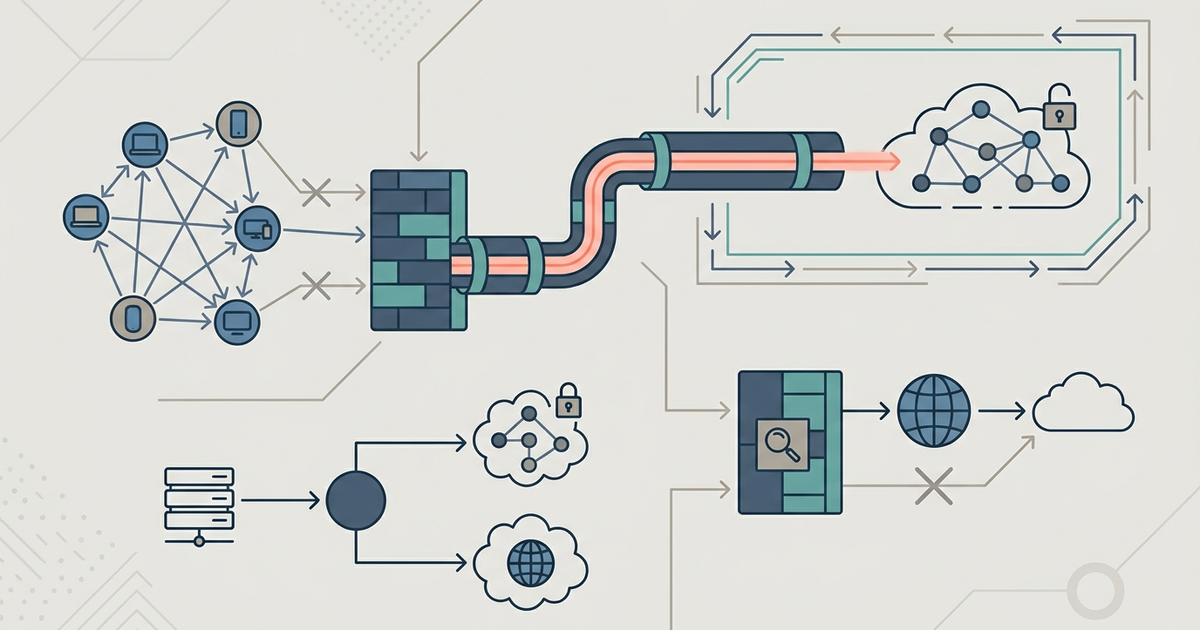
You don’t need a website at all. Distributed Hash Tables (DHT) let your client find peers by talking directly to other clients. Every magnet link contains a hash. Your client sends that hash to the DHT network, and other clients respond with the IPs of people who have the file.
Your client needs a bootstrap node to get started. The two most reliable are router.bittorrent.com:6881 and dht.transmissionbt.com:6881. Both are maintained by the BitTorrent and Transmission teams. If your client can’t connect to them, you won’t be able to find any peers via DHT.
Public trackers like open.demonii.com:1337 or tracker.coppersurfer.tk:6969 work in parallel with DHT. But they are unreliable. Most go offline within months. DHT never goes offline because it runs across millions of clients. Whenever you add a magnet link, your client tries DHT first.
How a Good Torrent Client Handles Dead Indexes Automatically
uTorrent Web 4.0.0.1 and qBittorrent v4.6.5 handle dead trackers differently, and the difference matters.
uTorrent Web disables the torrent when it cannot reach the tracker. You have to manually click “Force Re-check” or restart the client to try again. It also has aggressive ads and a bundled cryptocurrency miner in older versions. Do not use uTorrent Web for anything serious.
qBittorrent v4.6.5 does the opposite. It keeps trying. Every 60 seconds, it retries the dead tracker. Meanwhile, DHT and Peer Exchange operate in the background. If even one peer responds, the torrent continues downloading. You never have to intervene.
qBittorrent also has a built-in search engine. Install Python 3.8 or later, then enable the search plug-in. It searches 1337x, The Pirate Bay, RARBG (though dead, its mirrors still work), and others in one interface. No need to open a browser. The plug-in updates automatically. It works even if the website itself is blocked, as long as you have a VPN.
A good client isolates you from index outages. You search once, download the magnet link, and the client handles the rest. If the index dies tomorrow, you still have the file. Set qBittorrent to prefer DHT over trackers. In the settings, under “Advanced,” lower the priority of tracker-based announces. That way, your client relies on the decentralized network first. The index becomes optional.
Part of our guide to The Torrent Client Handbook.
Frequently Asked Questions
How do I install the qBittorrent search plugin?
Install Python 3.8 or later on your system, then open qBittorrent and enable the search plug-in from the View menu. The plug-in searches 1337x, The Pirate Bay, and other indexes in one interface and updates automatically.
Which Mullvad VPN setting keeps no logs?
Mullvad VPN keeps no logs by default across its entire service. The minimum trust assumption comes from its acceptance of cash payments and its no-log architecture, which means it stores no activity records, connection timestamps, or IP addresses.
What bootstrap node does qBittorrent need for DHT?
qBittorrent uses router.bittorrent.com:6881 and dht.transmissionbt.com:6881 as its default bootstrap nodes. If your client cannot connect to either, it will be unable to find any peers through the DHT network.