Home>Technology Trends>eSIM vs Physical SIM: Signal, Speed, Battery and Privacy
Technology Trends
eSIM vs Physical SIM: Signal, Speed, Battery and Privacy
Modified: 18 October 2026
Table of Contents
eSIM versus physical SIM comparison is mostly about how the subscription is managed, not about different radio performance. The retrieved manufacturer and industry pages describe eSIM as a remotely provisioned profile or embedded chip, while the FTC focuses on account takeover risk from SIM swapping rather than on signal quality or speed.
Signal and speed
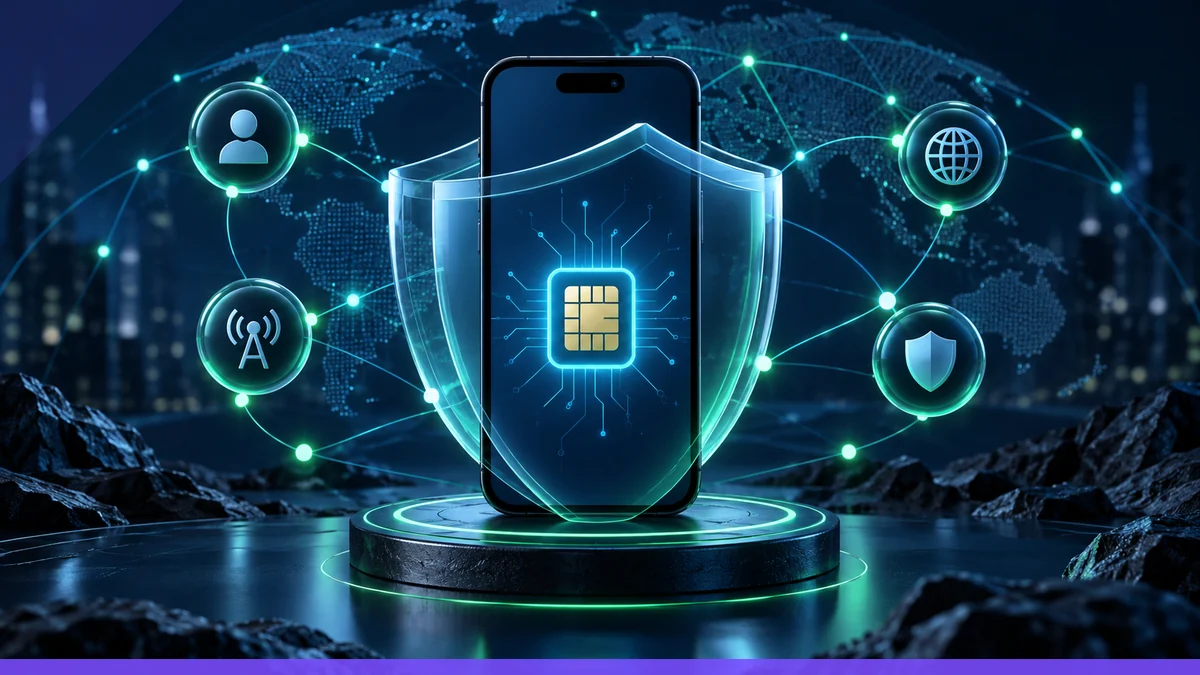
The pages retrieved do not document any inherent signal or data-speed advantage for either format. GSMA says the role of the SIM itself is not changing and that eSIM is a securely downloaded SIM profile stored in an embedded Secure Element, with security and protection equivalent to a removable SIM card.
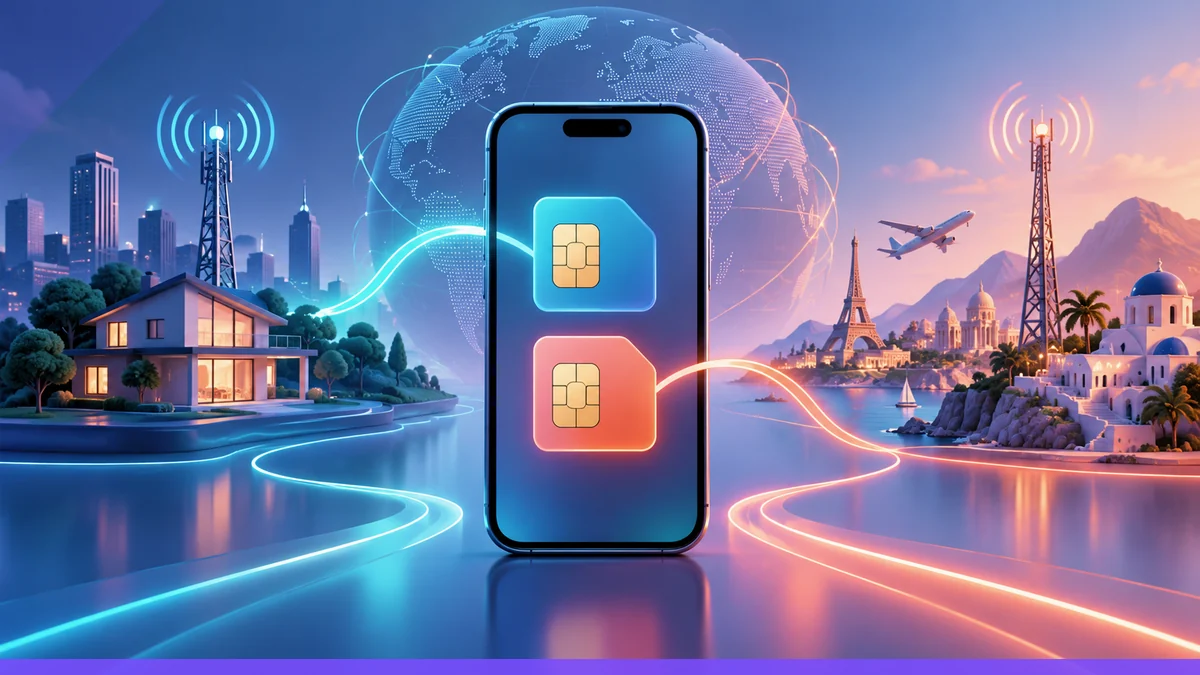
uPhone’s pages frame the difference as convenience and travel setup: an eSIM is activated by scanning a QR code or entering an activation code, while a physical SIM requires a card swap. Those pages do not claim that the profile format changes radio coverage, reception, or network throughput.
Battery and device behavior
The retrieved pages do not document a battery-life difference between eSIM and physical SIM. GSMA’s consumer eSIM page says eSIM simplifies setup and supports devices that can operate independently of a tethered smartphone, but it does not state a power advantage or disadvantage.
uPhone’s comparison pages say most modern smartphones support Dual SIM, so an eSIM can run alongside a physical SIM at the same time on compatible phones. The pages do not document battery impact from using dual lines.
Privacy and account security
The privacy risk called out in the retrieved sources is account management, not radio leakage. The FTC's SIM-swap guidance warns that attackers can take over a number, and after you regain access, you should change account passwords.
GSMA says the eSIM solution offers an equivalent level of security and protection to a removable SIM card. uPhone adds that an eSIM profile is tied to the device’s unique identifier and that the profile is stored separately from the physical SIM, but those claims come from the provider’s own documentation.
The main practical difference documented here is that eSIM reduces physical handling, while SIM-swap risk is handled through carrier account protections and rapid recovery steps.
When physical SIM still matters
uPhone states that support depends on the device: iPhone XR and later, and most Android flagships from 2020 onwards, are eSIM-capable, while iPhone 8 or earlier and older Android phones need a physical SIM.
The same pages note that some markets still rely heavily on physical SIMs, including Cuba, parts of sub-Saharan Africa, and some other markets.
- Use a physical SIM if the phone does not support eSIM.
- Use eSIM if the device supports it and you want faster setup while traveling.
- Keep carrier account protections in place either way, because SIM-swap attacks target the number and account, not the plastic card itself.
Practical takeaways for travelers
uPhone’s travel pages say its service provides data-only eSIM plans in 150+ countries, with setup by QR code and the physical SIM left in place for calls and texts on the home number. The pages also say travel eSIMs are meant to avoid store visits, delivery delays, and SIM swapping at destination.
For a hands-on consumer workflow, the observable difference is simple: with a physical SIM, the user must replace the card; with an eSIM, the user downloads a profile and activates it on a supported device. The retrieved documentation does not support claims that the format alone changes coverage, speed, or battery life.
What the pages actually document
GSMA's eSIM overview says the SIM can be securely downloaded into an embedded Secure Element, and that the solution was created through a GSMA-facilitated ecosystem of trusted platforms and players. The FTC’s SIM-swap guidance says to change passwords after recovering a hijacked number.
For a publication using first-party documentation only, the clearest conclusion is that eSIM is a management and provisioning change, while signal strength, speed, and battery are not shown in these pages to differ inherently from physical SIM service.
For a provider-specific next step, review uPhone travel eSIMs.
More eSIM resources: Browse our eSIM guides and troubleshooting resources for compatibility, setup, travel-data and account-safety advice.