Home>Software and Apps>How To Use AI Chatbots Without Handing Over Your Personal Data
Software and Apps
How To Use AI Chatbots Without Handing Over Your Personal Data
Modified: 17 September 2026
Table of Contents
AI chatbots are now part of everyday work: drafting emails, explaining contracts, fixing spreadsheets, planning trips. Every one of those tasks tempts you to paste in real details, from names and addresses to client files and health questions. Most people never check what happens to that text afterwards. Here is what chatbots can do with your conversations and the practical steps that keep your personal data out of places it should not be.
What Happens to What You Type
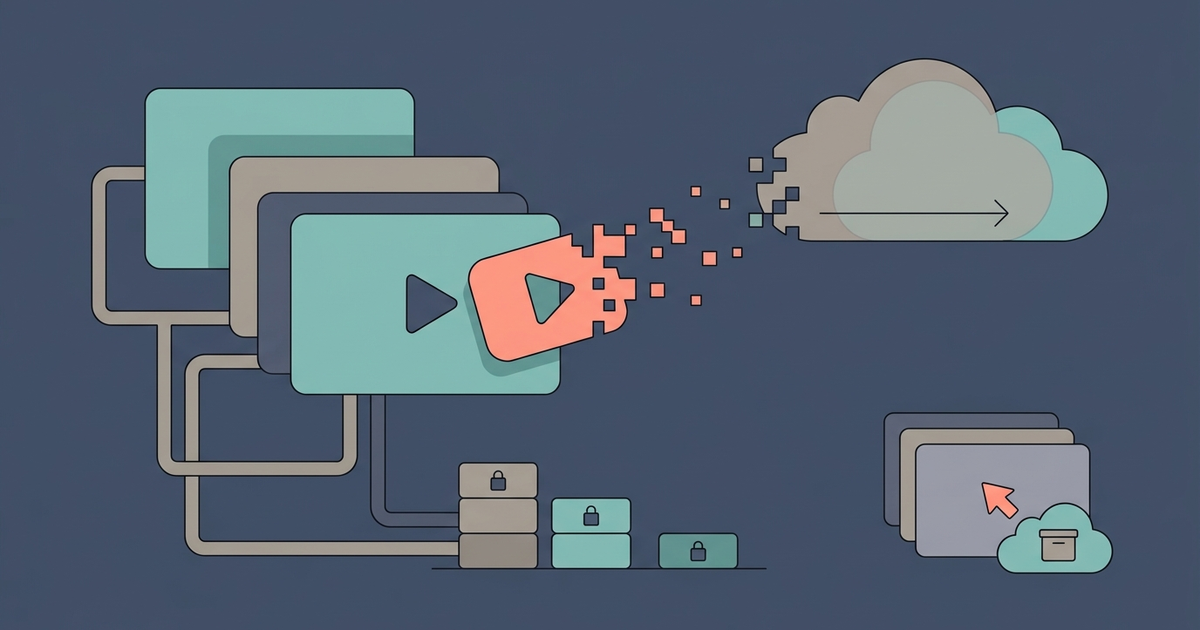
When you send a message to a chatbot, it travels to the provider's servers to be processed. What happens next depends on the service and your settings, but a few things are common:
- Chat history is stored so you can return to conversations, often indefinitely unless you delete it.
- Conversations may be used to improve models. Some consumer chatbot services use chats for training by default unless you opt out in settings.
- Humans may review samples of conversations for safety and quality on some services.
- Retention continues after deletion in some cases, for abuse monitoring or legal reasons, for a period set out in the privacy policy.
None of this is hidden, but it lives in privacy policies and settings pages that few people read. The details differ between providers and change over time, so check the current policy of the service you use.
Never Paste These Into a Chatbot
Treat anything you type into a chatbot as something that could be stored and read later. Keep these out entirely:
- Passwords, one-time codes, recovery phrases and API keys
- Full card numbers, bank details and government ID numbers
- Medical records or test results tied to your name
- Other people's personal data, such as customer lists, employee details or a friend's private messages
- Confidential work material your employer has not approved for AI tools, including unreleased plans, source code and contracts
Redact Before You Paste
You rarely need real identifiers to get a useful answer. Replace them with placeholders before pasting:
- Swap names for roles: "Client A", "my manager", "Tenant".
- Replace addresses, account numbers and phone numbers with "[ADDRESS]", "[ACCOUNT]" and so on.
- Round or change figures that would identify a deal or a person, if the exact number does not affect the answer.
- Paste only the relevant paragraph of a document instead of the whole file.
The chatbot's answer will be just as good, and you can put the real details back into the final version yourself.
Change the Privacy Settings That Matter
Spend five minutes in the settings of every chatbot you use regularly and look for these controls:
- Model training. Look for an option about using your content to improve the model. In ChatGPT, for example, it sits under Data Controls as "Improve the model for everyone". Turn it off if you do not want your chats used for training.
- Chat history and temporary chats. Many services offer a temporary or incognito-style chat that is not saved to your history. Use it for one-off sensitive questions.
- Memory. Chatbots that remember facts about you across conversations can be convenient, but review what they have stored and clear anything you would not want kept.
- Connected apps. Check which email, calendar or cloud drive integrations have access and remove the ones you no longer use.
- Deletion. Delete old conversations you no longer need, and know how to delete your account and data if you stop using the service.
Consider Services That Do Not Require an Account
An account ties every conversation to your email address and name. For quick questions, a service that works without signing in reduces how much is linked to you. AskAI.free lets you ask a question without creating an account, and it states that anonymous chats are automatically deleted after 24 hours and that it does not use conversations to train AI models. Prompts are still sent to the underlying AI provider to generate the answer, so the rules above about what not to paste apply to any chatbot, with or without an account.
Use Work Tools for Work Data
If you use AI for your job, check your employer's policy first. Many companies either ban consumer chatbots for work data or provide an approved business version with contractual data protections. Business and API offerings from major providers generally come with stricter terms about training and retention than free consumer apps. Using a personal account for client data can break confidentiality agreements and data protection rules, even when the chatbot itself is secure.
Protect the Account Itself
Your chat history is only as safe as the account holding it. Anyone who gets into your chatbot account can read every conversation you have saved. Use a unique password, turn on two-factor authentication where the service offers it, and sign out of shared or public computers.
Quick Privacy Checklist
| Before you chat | Why |
|---|---|
| Remove names, numbers and identifiers | A useful answer rarely needs real personal data |
| Check training and history settings | Controls whether your chats are kept and used |
| Use temporary chats for sensitive one-offs | Keeps them out of your saved history |
| Follow your employer's AI policy | Work data often requires an approved tool |
| Secure the account with 2FA | Your saved chats are only as safe as your login |
The Bottom Line
AI chatbots are safe to use for most everyday tasks, as long as you stay in control of what you share. Redact before you paste, set the privacy controls once, keep sensitive and work data where it belongs, and secure your account. You get all the convenience of AI help without handing over more of your personal life than the task requires.
Frequently Asked Questions
Does ChatGPT Temporary Chat delete everything immediately?
Temporary chats are excluded from your permanent history and never used for model training, but OpenAI temporarily stores logs for up to 30 days for abuse monitoring. The content is not retained in your visible chat list after the session ends.
Can I turn off chat history in Claude?
Claude does not use conversations for model training by default, and you can delete individual chats or your entire conversation history from the app settings. Check the current policy in your account, as defaults and retention periods can change over time.
Where is the model training opt-out in ChatGPT settings?
Go to Settings, then Data Controls, and toggle "Improve the model for everyone" to Off. This stops your conversations from being used for model training, though chats are still saved to your history unless you use Temporary Chat mode.